July 14, 2026
The paving industry is undergoing a significant transformation as paving contractors increasingly contribute to modern infrastructure development. No longer just laying surfaces, these professionals are at the forefront of integrating technology and sustainability into construction. As urban landscapes evolve and infrastructure demands grow, the role of paving contractors is now more critical than ever. These changes are driven by a combination of technological advancements, increased environmental awareness, and a broader societal requirement for multi-functional pavements. This article explores how paving contractors have expanded their roles and responsibilities over time.
1. Historical Overview of Paving Contracting
1.1 The Origins and Evolution of Paving Work
Paving work has roots that stretch back thousands of years, dating to the establishment of the earliest roads in Mesopotamia. These paths were simply paved with stones to withstand foot and cart traffic. Over the centuries, advancements in construction techniques made it possible for more durable surfaces, such as those built by the Romans. Roman engineering introduced the use of cement, setting a milestone in road construction that remains influential today. This evolution laid the groundwork for modern roadways but was limited in scope until the advent of the Industrial Revolution.
1.2 Traditional Roles of Paving Contractors
Traditionally, paving contractors were responsible for activities strictly limited to the physical laying and repair of roads and pavements. Their tasks involved manual labor and the application of primitive materials, often without machine aid. In this era, the main focus was to provide a functional surface for vehicles and pedestrians. Paving techniques were rudimentary, often lacking the precision and durability required for long-lasting infrastructure. Despite the simplicity, this foundational work provided significant functional benefits that would underpin future developments.
1.3 Key Milestones in the Industry
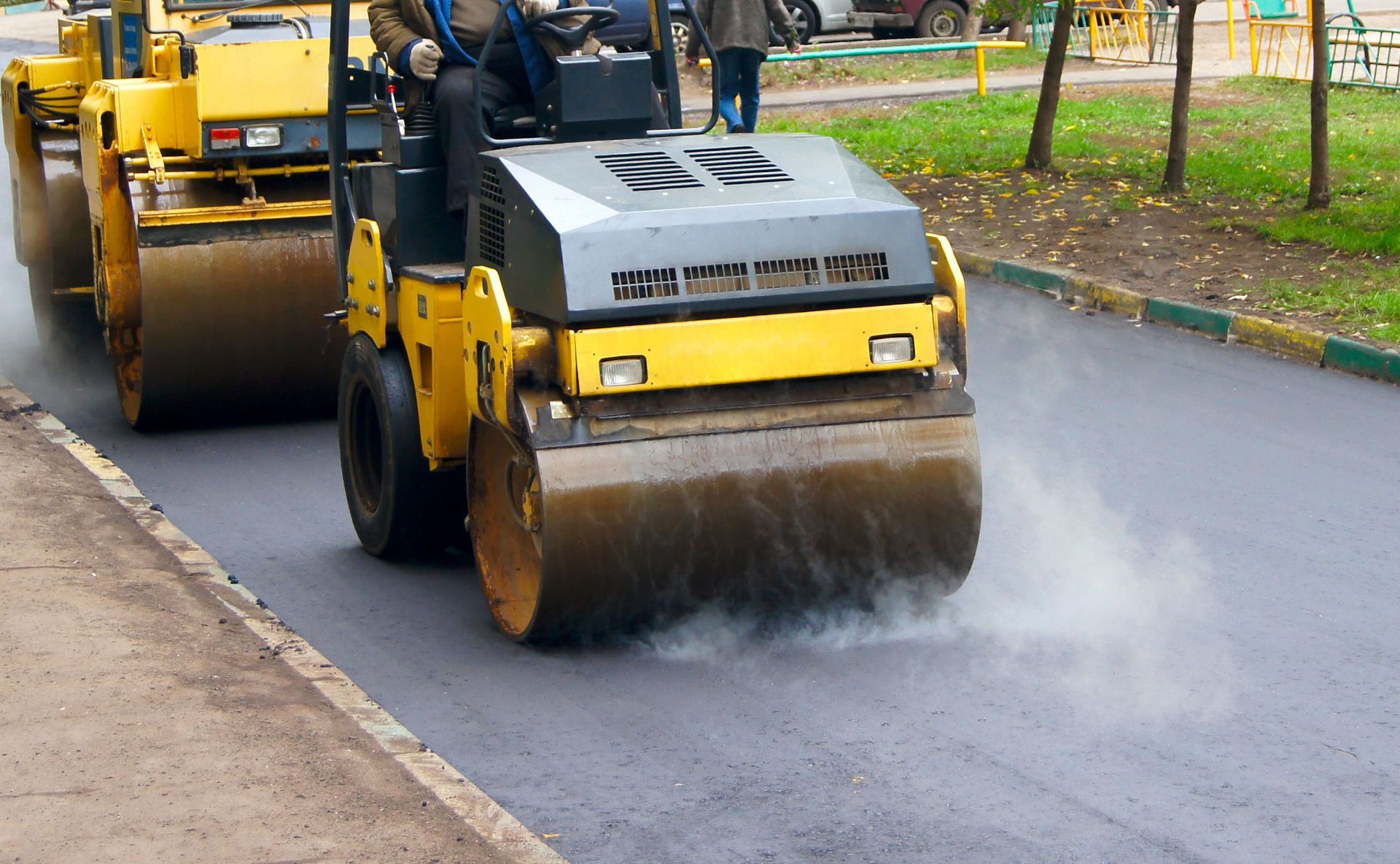
The paving industry reached a critical milestone with the introduction of mechanization. The development of steamrollers and, later, motorized machinery in the early 20th century, revolutionized the way surfaces were constructed and maintained. These innovations increased efficiency and efficacy, allowing projects to be completed faster and with higher standards of quality. Notably, the post-World War II economic boom saw a massive expansion in road networks globally, demanding even greater efficiency and oversight from paving contractors. This marked a transformative period that set new benchmarks in the industry.
1.4 The Impact of Industrialization
The Industrial Revolution had a profound effect on paving, introducing mass production techniques and advanced materials. During this period, asphalt became a popular material choice due to its durability and smooth finish. By the mid-20th century, the increased car ownership necessitated a rapid expansion of road infrastructure. This infrastructural requirement highlighted the importance of paving contractors as key players in economic development. The expertise required to engage with modern machinery and manage large workforces further professionalized the sector.
1.5 The Shift Towards Modern Technologies
Today, the paving industry is on the cutting edge of technological innovation. The focus has shifted from purely manual labor to integrating advanced machinery and automation, which streamlines construction processes and decreases human error. Technological improvements, such as asphalt recycling and non-invasive repair methods, further solidify the industry's commitment to sustainability. Paving contractors now harness digital tools, enabling more accurate project planning and execution. A continued emphasis on eco-friendly practices reflects broader societal trends and strengthens the industry's commitment to combatting climate change.
2. The Diversification of Services
2.1 The Expansion into Residential Projects
Historically focused on large-scale public projects, paving contractors now increasingly serve residential markets. Their offerings have expanded to include driveways, walkways, and patios, where aesthetic appeal is as important as functionality. Homeowners seek more than just basic pavement; they desire customized designs that enhance their property's curb appeal. As a result, paving contractors now balance technical proficiency with creative design skills. This diversification represents a vital evolution in the scope of services offered by modern paving professionals.
2.2 Commercial and Industrial Paving Solutions
Beyond residential areas, paving contractors have also broadened their expertise into commercial and industrial sectors. This includes constructing parking lots, industrial floors, and loading docks, each requiring specific materials and techniques for optimal durability and performance. Contractors must also understand the logistical aspects of managing large, complex projects often constrained by tight deadlines and budgets. As urban industrialization continues, this area of service diversification is likely to grow in importance. This dramatic growth is mirrored in statistics such as those according to Mordor Intelligence, where highways and major roads commanded 46.12% of paving-equipment demand by 2025.
2.3 Maintenance and Repair Services
Another service area where paving contractors have made significant headway is maintenance and repairs. As infrastructures age, regular maintenance ensures longevity and performance, reducing long-term costs. Contractors now provide ongoing maintenance programs that include routine assessments and prompt attendance to repairs when necessary. Expertise in identifying potential issues early allows them to mitigate costly damage, boosting client satisfaction and enhancing safety. As urban infrastructures expand, maintenance is projected to continue as a major sector within the industry.
2.4 Landscaping and Aesthetic Enhancements
Paving is no longer limited to function but is increasingly recognized for its role in enhancing landscape aesthetics. Contractors now offer services such as decorative concrete, stamped patterns, and the integration of green spaces. These developments cater to a growing demand for infrastructure that complements the natural and built environment. Blending artistic and technical expertise, paving contractors create functional landscapes that are visually appealing and environmentally responsible. This approach aligns with a modern landscape architecture philosophy that prioritizes harmony between urban development and nature.
3. Technological Advancements in Paving
3.1 Automation and Machinery in Paving
The advent of advanced machinery and automation has revolutionized the paving industry. Machines like automated pavers and milling equipment have reduced labor intensity, improved precision, and increased project completion rates. Automation minimizes human error, leading to better quality constructed pavements. This technological adoption necessitates a skilled workforce capable of operating and maintaining these sophisticated machines. Automation in paving ensures more consistent results, reducing downtime and enhancing construction timelines.
3.2 The Rise of Digital Planning Tools
Digital tools have significantly impacted paving project planning and execution. Contractors now employ sophisticated design software for mapping and simulating road layouts, optimizing resource allocation, and predicting potential challenges. These digital applications allow for more meticulous project planning, reducing unforeseen issues during construction. Real-time data monitoring further enhances project management, allowing contractors to track progress accurately. The integration of these technologies signifies a new era in project efficiency and precision.
3.3 Innovative Materials and Mixtures
Innovation in materials science continues to reshape the paving industry. New asphalt mixtures, including rubberized and porous variants, offer improved durability and environmental benefits. The mixed use of materials like reclaimed asphalt pavements (RAP) and recycled shingles in new pavements minimizes waste and lowers carbon emissions. These materials provide enhanced resilience against temperature fluctuations and heavy loads. Continuous research into materials ensures that paving can meet both current and future infrastructural demands.
3.4 Eco-Friendly Technologies
Eco-friendly paving technologies represent a significant trend in modern construction practices. This includes the use of cool pavements that reflect more sunlight and absorb less heat, thus reducing urban temperatures. Technologies such as energy-generating pavements also provide innovative solutions, integrating surfaces that can harness solar energy. These innovations aim to create more sustainable urban environments, aligning with global sustainability goals. The integration of ecological and technological solutions continues to transform how cities manage their infrastructures sustainably.
The role of paving contractors continues to expand amidst growing demands and evolving urban environments. From the historical roots of paving through its transformation driven by technological advancements, modern contractors now undertake diversified roles in residential, commercial, and industrial contexts. The integration of sustainability and innovation remains critical as global infrastructure needs evolve. Future opportunities are abundant, with smart technology and eco-friendly practices steering the industry towards a sustainable future. Ultimately, paving contractors are not only building roads but also shaping the future landscapes of tomorrow's cities. Reach out to Black Pearl Paving, LLC today to see how we can help you!